
Event details
Welcome to today’s event: Digital Transformation — AI, EHRs, and Data Interoperability. We’re gathered here not just to talk about technology, but to confront one of the most urgent questions facing the NHS: How do we modernise care without losing its humanity?
Across the system, we’re seeing the promise of artificial intelligence to triage patients faster, electronic health records to streamline workflows, and interoperable data to connect services like never before. But we also know that transformation is not just about tools—it’s about trust, leadership, and the courage to rethink how we deliver care.
Today’s conversations will explore the real-world impact of digital innovation:
-
How AI is reshaping clinical decision-making
-
What it takes to make EHRs work for clinicians and patients alike
-
And how data interoperability can unlock joined-up, person-centred care across the NHS
This is a moment to be bold, to share challenges honestly, and to learn from each other. Because digital transformation isn’t a side project—it’s the future of healthcare. And it’s happening now.
|
Want to sponsor |
Want to speak |
WHO ATTENDS
Times are displayed in GMT
-
Available On Demand
Keynote - Dr Hatim Abdulhussein
 Dr Hatim Abdulhussein CEO Health Innovation Kent Surrey Sussex
Hatim is Chief Executive Officer for Health Innovation Kent Surrey Sussex, part of the NHS Health Innovation Network. Alongside this role, he continues to practice as a General Practitioner.
In 2018, Hatim was appointed National Medical Directors Clinical Fellow to Professor Wendy Reid by the Faculty of Medical Leadership and Management. His key achievements were co-author and member of the Sir Keith Pearson Commission into NHS Staff and Learner Mental Health and co-founding the ‘Topol Programme for Digital Health Fellowships’ launched by Secretary of State for Health and Social Care in 2019. He later became the National Clinical Lead for AI and Digital Workforce at NHS England providing clinical leadership to the NHS Digital Academy and leading on AI in the NHS’s historic Long Term Workforce Plan.
Hatim studied Medicine at the prestigious Barts and the London School of Medicine and Dentistry, going on to complete a Masters in Sports and Exercise from the University of South Wales, and a Postgraduate Diploma in Digital Health Leadership from Imperial College London. Hatim holds Membership of the Faculty of Clinical Informatics and the Royal College of General Practitioners, as well as Fellowship of Advance Higher Education.
Hatim has been a Senior Lecturer at Brunel University London, supporting the Physician Associate MSc and development of Brunel Medical School. Hatim is a Honorary Senior Lecturer at Keele University, working with European partners to develop a Masters in Explainable AI in healthcare management. Hatim is also a member of the National Institute for Health and Care Excellence Technology Appraisals Committee, and the Coalition for Health AI Steering Committee.
Hatim is an advocate for safe, ethical and responsible digital and AI transformation and ensuring workforce preparedness for new innovations and technologies in health and care. He regularly speaks internationally and has contributed to the publication of academic papers and white papers spanning workforce, education reform, primary care, digital health and AI.
Outside of work Hatim enjoys travelling and football, and you will likely find him touring England’s best restaurants with his family.
-
Available On Demand
Digital Health: Can AI and Tech Save the NHS?
The NHS is under immense pressure—rising demand, workforce shortages, and stretched budgets have pushed the system to its limits. In this context, digital health and artificial intelligence are often hailed as game-changers: tools that can streamline services, personalize care, and unlock new efficiencies. But can they truly deliver on that promise?
This panel brings together NHS leaders, clinicians, technologists, and patient advocates to explore the real-world impact—and limitations—of digital transformation in healthcare. We’ll examine:- How AI is being used in diagnostics, triage, and operational planning
- The challenges of data sharing, interoperability, and digital literacy
- Ethical concerns around automation, bias, and patient trust
- What frontline staff need to make tech work for care—not just for systems
This is a conversation about hope, hype, and hard truths. Join us as we ask: Can AI and tech help save the NHS—or do we need to rethink what digital health really means?
 Dr Mark Tuson Lecturer at Cardiff University Cardiff University
My current role sees me splitting my time between Cardiff University and Cardiff and Vale University Health Board. This means I spend half my time lecturing and researching and the other half putting what I teach into practise.
I'm a late entrant into academia having completed my PhD in 2020. I started my career in the Forces and subsequent worked in manufacturing industries and then the public sector before completing a PhD in operational research.
I have travelled extensively or worked abroad for much of my career and one of the things I really enjoy about the academic environment is the cultural diversity of my colleagues and students.
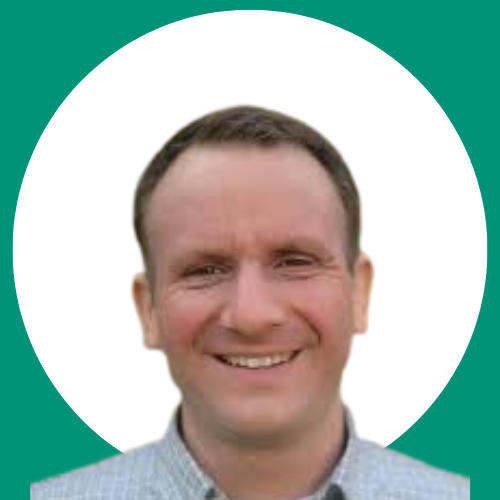 Daniel Gartner Professor Cardiff University
Daniel Gartner is a Professor of Data Science at Aalen University, Germany, and a Professor of Operational Research at Cardiff University’s School of Mathematics. For nearly a decade, Daniel held a unique dual role within the NHS Wales Continuous Improvement Programme’s Mathematical Modelling Unit, bridging the gap between theory and frontline healthcare delivery.
His research sits at the intersection of innovative operational research and data science, driven by a deep commitment to improving outcomes for both patients and healthcare staff. As one of the Editors-in-Chief of Health Systems and the recipient of the prestigious OR Society’s Lyn Thomas Impact Medal, Professor Gartner is recognized globally for his contributions to analytics-driven process improvement.
At the Operational Research Society, Daniel co-leads the Special Interest Group in Health and Care Systems. His influence extends internationally through impactful research and teaching initiatives in Indonesia. By fostering evidence-based decision-making, Daniel’s work spearheads transformative healthcare practices, resulting in measurable enhancements to patient care and systemic operational efficiency.
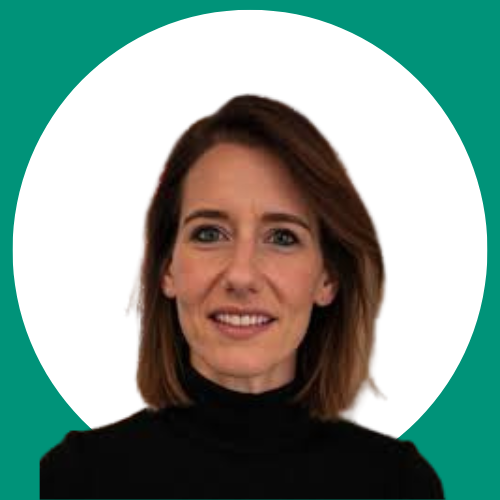 Dr Matea Deliu Clinical Lead Primary Care Digital Delivery, Clinical Safety Officer, NHS Clinical Fellowship in AI Supervisor, Primary Care Advisor Responsible Ai UK Health & Social Care NHS South East London Integrated Care System
Dr Matea Deliu is an academic GP and health informatician whose work sits at the junction of frontline clinical practice, digital systems leadership, and NHS transformation policy. Holding a PhD in Health Informatics, she brings rigorous analytical grounding to some of the more intractable questions facing health systems as they seek to translate digital investment into genuine service change. She practises clinically across primary and secondary care, a grounding she considers central to her credibility as a systems thinker rather than incidental to it.
She currently serves as Clinical Lead for Digital Delivery at South East London Integrated Care Board and as Chief Clinical Information Officer at Bromley Healthcare. Nationally, she holds the role of Primary Care Lead for the Responsible AI UK Health and Social Care Working Group, where she contributes to the development of governance frameworks for AI deployment across the London system. Her portfolio spans electronic patient record implementation in primary care, virtual care pathways, population health management, and the clinical safety dimensions of AI-enabled triage — areas where she is as likely to interrogate structural incentives as she is to advocate for particular technologies.
Beyond her operational and policy roles, she mentors innovators through the NHS Innovation Accelerator and London Business School, working with entrepreneurs and clinical leaders navigating the particular difficulties of scaling health technology within the NHS. She is a regular speaker and panellist on digital governance, AI in primary care, and the conditions under which health systems move credibly from pilot to implementation
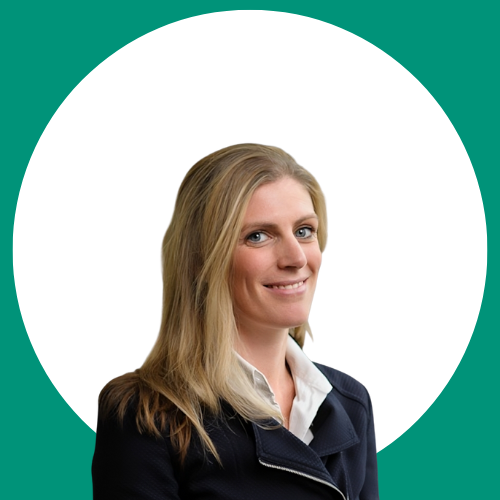 Eleanor Wicks Honorary Consultant Cardiologist Barts Heart Centre
BICCS Joint Secretary and Honorary Consultant Cardiologist (Oxford)
Eleanor is an Honorary Consultant Cardiologist at Oxford University Hospitals, a research collaborator in translational data science and a Senior Clinical lecturer at the University of Oxford. She is also a Co-Founder and Chief Medical Office at Lifeyear and is joint secretary of the British Inherited Cardiac Conditions (ICC) Society. As the former Clinical Lead of the Oxford ICC and Heart Failure services and the Cardiology digital champion, Eleanor has spent many years striving to embed digital workflows and technology into practice to enhance efficiencies in care delivery, reduce the administrative burden, improve triage, risk prediction and to manage patients more proactively rather than reactively, enabling a more efficient, preventative healthcare system -
Available On Demand
Tackling Long Wait Times: Systemic Fixes and Technical Solutions
Long wait times are one of the most visible—and painful—symptoms of strain across the NHS. From elective surgeries to mental health referrals and GP appointments, delays are eroding patient trust, stretching staff capacity, and deepening health inequalities. The challenge is urgent, but the solutions must go beyond quick fixes.
This panel brings together NHS executives, clinicians, digital health innovators, and system reformers to explore how we can meaningfully reduce wait times through both structural change and smart technology. We’ll examine:- Root causes of delays across different parts of the NHS
- How digital tools—like AI triage, virtual wards, and predictive analytics—can improve flow and prioritisation
- The role of workforce planning, commissioning, and integrated care systems in driving reform
- What patients and frontline staff need to make solutions work in practice
This is a conversation about redesigning the system—not just patching it. Join us to explore how the NHS can move from reactive firefighting to proactive, patient-centred care.
 Dr Faris Al Ramadani Innovative GP Partner St Wulfstan Surgery
Dr Faris Al-Ramadani is an award-winning GP, PCN Clinical Director, and HealthTech consultant dedicated to enhancing patient care through technology and innovative clinical pathways. As a GP Partner, his practice, St Wulfstan Surgery, was named HSJ Primary Care Provider of the Year (2024) and in 2023 ranked number one in England for patient satisfaction for practices with more than 10,000 patients. His leadership at Warwickshire East PCN also led to a shortlisting for PCN of the Year (2024).
To further bridge the gap between innovation and real-world application, he founded and leads the St Wulfstan Digital Accelerator, a pioneering initiative that pilots cutting-edge digital health solutions within a primary care setting.
A respected thought leader and keynote speaker on digital transformation, Dr Al-Ramadani advises HealthTech companies through his consultancy, One Health. He is passionate about redesigning clinical pathways, particularly in mental health, and fostering collaborations that successfully integrate new technologies into clinical practice to deliver tangible benefits for both patients and providers.”
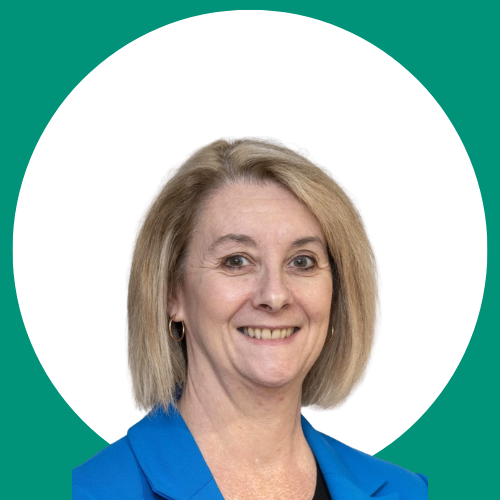 Amanda Sullivan Chief Executive NHS Derby and Derbyshire, Lincolnshire and Nottingham and Nottinghamshire ICB cluster
Amanda is the Chief Executive for the NHS Derby and Derbyshire, Lincolnshire and Nottingham and Nottinghamshire Integrated Care Boards. Amanda has been a proponent of integrated care, being Joint SRO of the Mid-Nottinghamshire Better Together programme between 2014 and 2018. This was a Vanguard Primary and Acute Care System (PACS) site, with an Alliance across health and local government.
Amanda has a clinical background, working as a nurse and a midwife before moving into senior management in both acute and commissioning roles. In 2001 Amanda was awarded a PhD for research investigating decision-making during pregnancy.
In her capacity as a consultant midwife, Amanda worked at regional and national levels. She chaired a working group on behalf of the National Screening Committee, which developed national standards for ultrasound consent in pregnancy. She has also edited midwifery text books.
 Matt Inada-Kim Consultant Acute Physician Hampshire Hospitals NHS Foundation Trust
His roles at NHS England are as National Clinical Director for Infection Management, AMR and Deterioration; National speciality advisor for sepsis, National clinical lead for COVID pathways/oximetry@home/virtual wards and the Deterioration and Sepsis CQUINs.
He has led the development of a standardised national methodology for assessing the burden of infections and sepsis, their outcomes and improvement.
He co-developed and co-led the implementation of NEWS2 across all hospitals and ambulance trusts nationally, and the deterioration CQUIN that has been implemented across 114 acute trusts and represents a global first in incentivising the optimal management of acutely ill patients most at risk of death.
He co-developed/led on national sepsis, deterioration and COVID clinical pathways in all community/interface settings, developing and then publishing evidence on the home oximetry monitoring strategy (through leading a national community of practice and clinical reference groups) that led to the purchase of 1.2 million oximeters and national implementation within 38 days and across a further 18 countries during the pandemic.
He is currently developing community-based, acute respiratory infection assessment hubs, having published papers demonstrating their effectiveness as integrated care models supporting urgent care and primary care transformation. 363 were set up last winter, seeing over 740,000 patients in 4 months.
HSJ award winner in Sepsis 2019, Deterioration 2020 and Patient Safety 2021 Ruth Bradbury Senior NHS Navigator/Senior Programme Manager Digital Health LondonI have a background in operational leadership and project management with expertise gained in clinical and transformation roles across the healthcare industry.
Uniquely placed in the overlap of the emerging healthtech sector and the NHS, I understand the pressing requirements for digital health transformation and have the network to engage and influence senior stakeholders to facilitate digital change.
I have passion and commitment to the transformation of health and care services and the enablement of leaders and teams to make this happen. I see digital innovation as a key driver to making services fit for the future. -
Available On Demand
Role of Community and Digital Tools
As the NHS evolves to meet rising demand and complex health challenges, the intersection of community engagement and digital innovation is becoming increasingly vital. From virtual consultations to local health hubs, the future of care depends not just on technology—but on trust, inclusion, and collaboration.
This panel brings together NHS leaders, digital health experts, community organisers, and frontline practitioners to explore how digital tools can strengthen—not replace—the human relationships at the heart of healthcare. We’ll examine:- How digital platforms can enhance access, equity, and personalised care
- The importance of co-designing tools with communities to ensure relevance and uptake
- Strategies for tackling digital exclusion and building digital confidence
- Real-world examples of community-led innovation and tech-enabled outreach
This is a conversation about connection—between systems and citizens, data and dignity. Join us to explore how the NHS can harness digital tools to empower communities and deliver care that’s both modern and meaningful.
 Linda Vernon Head of Digital Empowerment Lancashire and South Cumbria Intergrated Care Board
An Advanced Physiotherapy Practitioner by background, Linda Vernon is Head of Digital Empowerment at Lancashire & South Cumbria Integrated Care Board.
Passionate about how technology can empower individuals, communities & our workforce to thrive, and the principles of user-centred design & co-production, Linda leads the digital citizen portfolio across Lancashire & South Cumbria, as well as the overarching digital and data strategy for the wider digital portfolio. She also drives the digital, data and AI literacy agenda for the ICB, and is passionate about empowering our workforce and our citizens to access and benefit from digital tools. She is an ‘upstreamist’ with a focus on how we can better support the prevention and population health agendas.
Linda enjoys climbing fells in the Lake District, playing guitar, ukulele and singing, and believes the health of the planet and her inhabitants are mutually dependant.
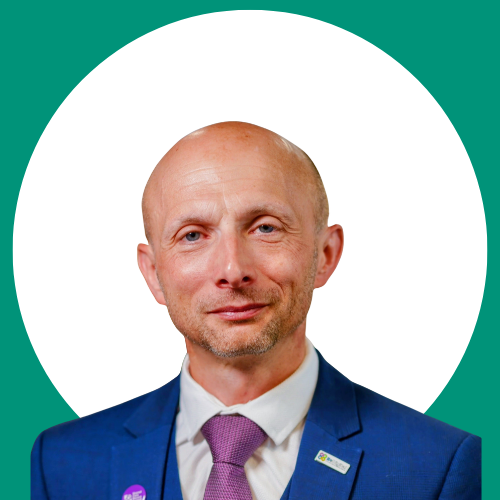 Lee Rickles Chief Information Officer & Deputy SIRO Humber Teaching NHS FT
Lee Rickles is Chief Information Officer at Humber Teaching NHS Foundation Trust and Director of Interweave, the platform behind the Yorkshire & Humber Care Record (YHCR). With over 30 years in transformation and programme management—including 20 years in NHS digital innovation—Lee has led major advancements in healthcare technology.
At Humber, he oversees the BeDigital Transformation Programme, delivering a new electronic patient record, improved patient communications, and leading mental health digital transformation across the Humber & North Yorkshire ICS. He is the national Senior Responsible Owner for the Reasonable Adjustment Digital Flag, promoting equitable care.
Lee helped develop Interweave, enabling secure, standards-based sharing of patient records, aligned with the PRSB Core Information Standard and recognised by HSJ Digital Awards.
A Hull native, Lee is a BCS Fellow, FEDIP Leading Practitioner, and CHIME Certified Health CIO, contributing to national bodies and advocating for inclusive, people-focused digital transformation.
X handle @larickles
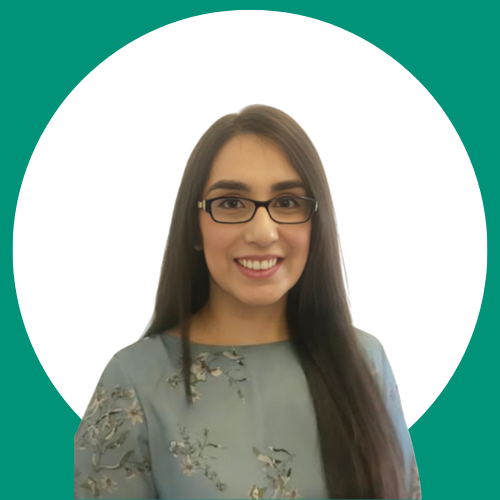 Irrum Afzal Digital Health Transformation Specialist - AI in Healthcare | Researcher Vice Chair of Research & Innovation
Irrum Afzal is an Imperial College London graduate and a recipient of the National Orthopaedic Alliance (NOA) Director’s Award. In addition to her academic qualifications, she holds both PRINCE2 Practitioner and Foundation certifications, demonstrating strong project management expertise.
With experience across both the NHS and private healthcare sectors, she brings a combination of research expertise, operational insight, and digital transformation experience particularly in AI, EHR modernisation, and data interoperability. She has played a pivotal role in multiple digital health transformation programmes, leading and supporting projects from initial concept through to successful go‑live delivery.
Irrum holds multiple positions of responsibility, including Vice Chair of Research and Innovation for the NOA, Board Member for OrthoAI (ORAIA), Research Committee Representative for the British Orthopaedic Sports Trauma and Arthroscopy Association (BOSTAA), and Equality, Diversity, and Inclusivity Lead for BOSTAA. She is also a Non-Executive Board Member of the Orthopaedic Research and Education Foundation (OREF) and plays an active role in the Imperial College Alumni Service.
-
Available On Demand
AI Triage and Virtual Care
As the NHS faces mounting pressures—from workforce shortages to rising demand—AI triage and virtual care are emerging as transformative tools in reshaping how patients access and experience healthcare. But while the technology promises faster, smarter, and more scalable solutions, it also raises critical questions about safety, equity, and trust.
This panel brings together NHS digital leaders, clinicians, technologists, and patient advocates to explore the evolving role of AI and virtual care in frontline services. We’ll examine:- How AI-powered triage is being used to streamline referrals, prioritise care, and reduce bottlenecks
- The impact of virtual consultations and remote monitoring on patient outcomes and clinical workflows
- Risks around algorithmic bias, data privacy, and digital exclusion
- What governance, training, and infrastructure are needed to embed these tools safely and effectively
This is a conversation about redesigning care—not just digitising it. Join us to explore how the NHS can harness AI and virtual platforms to deliver more responsive, inclusive, and sustainable healthcare.
 Dr Devesh Sinha Chief Clinical Information Officer Barking, Havering and Redbridge NHS Foundation TrustI am CCIO and Consultant Stroke Physician at the Neuroscience Division at Queen's hospital, London and North East London Stroke Network Lead. I have gained postgraduate training in London. I have pursued my dedication to Stroke with sub-speciality Stroke at Cambridge and Southend. I am an innovator of HOT-TIA which has been awarded me with Hospital Hero and team with EHI award, HSJ award and NHS Innovation challenge prize of £100,000.
I am also the recipient of the Outstanding Clinician Award by EMS for the year 2016 and the Excellence Award as rated by patients on Iwantgreatcare in 2018. My team has won the Future NHS Award of 2018 at BHR Trust. Neelan Das Consultant Radiologist/Clinical AI Lead East Kent Hospitals
Dr Neelan Das is a Senior Consultant Cardiovascular and Interventional Radiologist at Kent and Canterbury Hospital.
He is leading on the implementation of artificial intelligence tools within the division of imaging at East Kent Hospitals Foundation Trust and has published on the ethics of AI in radiology.
Neelan also leads on research and is the local principle investigator in several cutting edge trials utilising Interventional radiology techniques, medical imaging and advanced technology.
In his spare time, he enjoys his family as well as pondering how the world might look in a hundred years.
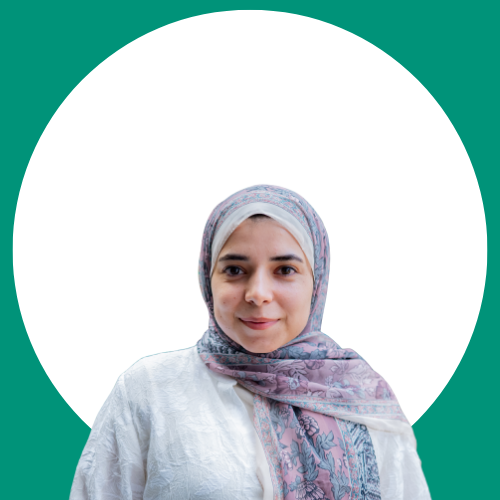 Betul Gokkaya AI Risk Researcher University of Southampton
Dr Betul Gokkaya is a researcher at the University of Southampton specialising in AI risk, cybersecurity, and socio-technical system safety. Her research focuses on understanding AI-related risks across different domains, with a current emphasis on healthcare AI regulation and how regulatory requirements can be meaningfully implemented within software development and deployment practices. Her work bridges AI governance, cyber resilience, and real-world system design, with the aim of supporting safer and more trustworthy AI-enabled healthcare services.
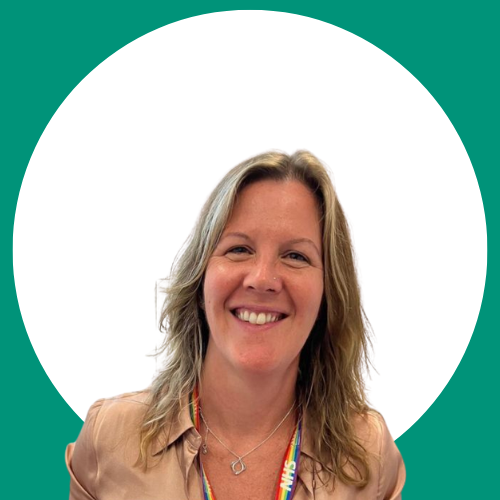 Rebecca Winterborn Clinical Director Bristol, North Somerset and South Gloucestershire NHS @ Home service
Dr Rebecca (Becs) Winterborn is a mother, a wife, a musician and a dancer, often described as "not your typical vascular surgeon". She spent 28 years in medicine, 11 of them as a Consultant Vascular Surgeon, before work-related PTSD became the catalyst that changed everything. That experience didn't break her, it broke her open to a different kind of service. She now describes herself as an Architect of Change.
She is Clinical Director of Bristol, North Somerset and South Gloucestershire's collaborative NHS@Home service, which she co-developed over the last five years. She is also founder of Becs Winterborn Coaching, and as a heart-led leadership coach and keynote speaker she is on a mission to shift the culture of healthcare leadership from silence to sharing, one honest conversation at a time. She believes everyone who gives or receives care has a story worth hearing, and a voice the NHS cannot afford to lose.