







Event details
Good morning, and welcome to Rebuilding Trust in the NHS: Transparency, Accountability, and Patient Experience. It’s a privilege to open this important conversation—one that goes to the heart of what the NHS stands for.
Trust is the foundation of healthcare. It’s what allows patients to feel safe, staff to feel valued, and communities to believe in the system that serves them. But in recent years, that trust has been tested—by long waits, inconsistent communication, and a sense that the system isn’t always listening.
Today, we come together not just to acknowledge those challenges, but to confront them with honesty, ambition, and shared purpose. We’ll explore how transparency can rebuild confidence, how accountability can drive improvement, and how truly listening to patients can transform not just experiences—but outcomes.
This is not about blame. It’s about belief—belief that the NHS can evolve, that it can lead with integrity, and that it can once again be a system people trust not only with their health, but with their hopes.
|
Want to sponsor |
Want to speak |
WHO ATTENDS
Times are displayed in BST
-
Available On Demand
Keynote
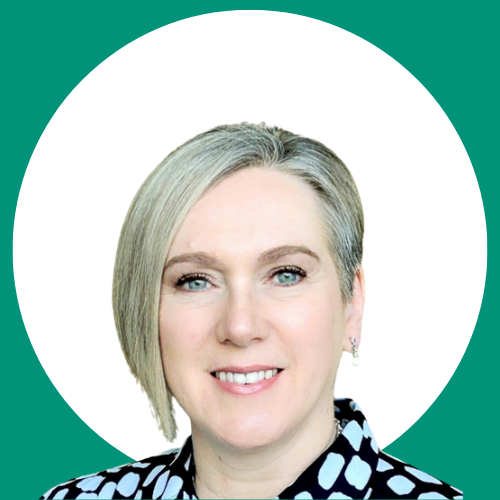 Professor Lynn Woolsey Chief Nursing Officer Royal College of Nursing
Lynn Woolsey is the UK Chief Nursing Officer at the Royal College of Nursing. She provides strategic leadership to the Royal College of Nursing, its members and to the wider nursing workforce across all four countries of the UK. Lynn represents the RCN 570,000 plus members voices, working closely with regulators, professional bodies, UK senior stakeholder groups and Governments.
Lynn was previously the UK Deputy Chief Nursing Officer for the College, and prior to that held the position of Deputy Chief Nursing Officer within the Department of Health Northern Ireland. Lynn’s experience spans strategic leadership roles, and she has led significant system wide initiatives and projects to raise the profile and standing of nursing as well as service transformation to improve patient care and experience. In addition, Lynn has held operational service delivery roles across acute and community settings for adult, children's, mental health and learning disability services.
Lynn is currently a Visiting Professor to the Faculty of Health and Life Sciences at the University of Ulster and is the European Board member for the Commonwealth Nurses and Midwives Federation.
In addition to professional qualifications, Lynn has achieved postgraduate qualification in Education, Strategic Workforce Planning and Coaching as well as an MSSc.
-
Available On Demand
Who Holds the NHS Accountable? Exploring Democratic and Clinical Governance Models
Accountability is the cornerstone of public trust in the NHS. But in a system as vast and complex as ours, who truly holds the reins? From elected officials and regulatory bodies to clinical governance frameworks and patient voice mechanisms, the landscape of NHS accountability is both layered and contested.
This panel brings together health system leaders, clinicians, policymakers, and public representatives to unpack the structures that shape oversight, transparency, and responsibility across the NHS. We’ll explore:- The balance between democratic accountability and clinical autonomy
- How Integrated Care Systems (ICSs) are reshaping governance and decision-making
- The role of regulators, boards, and professional standards in safeguarding care quality
- How patients and communities can meaningfully influence service design and performance
This is a conversation about power, responsibility, and reform. Join us to examine how the NHS can strengthen its accountability models—and ensure that leadership is both responsive and representative.
 Phoebe Dunn Senior Policy Fellow The Health Foundation
Phoebe is a Senior Policy Fellow at the Health Foundation, where she leads the Policy team’s portfolio of work on NHS reform. This includes recent work on the NHS’s integrated care systems (ICSs) and the government’s 10-Year Health Plan.
Before joining the Health Foundation in 2019, Phoebe was a Research Fellow at Victoria University of Wellington, New Zealand, working largely on primary care policy and research.
Before this, Phoebe worked in the policy team at The King’s Fund – first as a researcher and latterly in a responsive policy role. Prior to this she worked for a health care communications agency, delivering research, communications and strategy projects for organisations from across the public, private and third sectors Jagtar Singh CBE Former Chair of Coventry and Warwickshire Partnership NHS Trust Coventry and Warwickshire Partnership NHS Trust
Former Acting CFO Bedfordshire FRS and Chair of NHS Tas a former Fire officer and NHS Chair Trust
Professor Jagtar Singh CBE is one of the UK’s a respected leader and respected voice in public service for his leadership, healthcare governance, and equality. With a distinguished career spanning over 5 decades in Public service, he known for his achievements and l thinking on organisational culture, diversity, and inclusive leadership across both the NHS and the Fire and Rescue Service
Jagtar Singh served for nearly three decades in the UK Fire and Rescue Service, holding several senior operational and strategic roles including Chief Fire Officer Bedfordshire Fire and Rescue Service, becoming the first BAME officer in the UK to reach this senior level. His pioneering work in equality began early; he established the Fire Service’s first equality department in 1985 and later became the inaugural National Diversity Advisor at the Department for Communities and Local Government.
His impact on the NHS has been equally transformative. For more than twenty years Professor Singh has played a major role in NHS serving as a Non-Executive Director and Chair roles across acute, ambulance, and mental health services, including leading a £350 million NHS mental health and community trust. His work has strengthened governance, im proved workforce culture, and driven targeted strategies.
In 2025, his outstanding contribution to the NHS was recognised with the award of Commander of the British Empire (CBE)—a historic honour that makes him one of the few public servants celebrated at national level for advancing equality in both emergency services and healthcare.
He is also a Professor of Leadership and Inclusion at Warwick Medical School, and the founder of APNA NHS, a national network supporting Asian heritage staff in health and care.
 William Pett Head of Policy, Public Affairs & Research Healthwatch England
William Pett joined Healthwatch England in August 2023. He previously spent four years at the NHS Confederation, where he led the organisation’s policy output on integration and worked closely with NHS England and government on support for integrated care systems. During this time, he also worked as the senior advisor to chief executive Matthew Taylor and undertook a secondment to Bath & North East Somerset, Swindon & Wiltshire Integrated Care Board as Associate Director of Strategy.
He has worked in the private sector, specialising in HIV and hepatitis C policy, and in the House of Commons as the parliamentary researcher for an MP and government minister.
He is a regular media commentator on patient experience and NHS policy.
 Helen Hughes Chief Executive Patient Safety Learning
Helen is Chief Executive of Patient Safety Learning.
Helen's passion for improved patient safety is informed by personal family insight into the impact of unsafe care and the ineffectiveness of organisational responses to learn from error.
Helen is an experienced leader in organisational effectiveness and transformational change. She has held leadership roles in healthcare in the UK and the WHO, the National Patient Safety Agency, Equality and Human Rights Commission, Parliamentary Health Services Ombudsman and the Charity Commission.
Helen’s previous leadership roles in patient safety include, as Director of Operations of the National Patient Safety Agency, designing the first patient safety infrastructure and policy framework for the NHS in England, and Director of the National Reporting and Learning System. At the WHO, she held a range of roles, including partnership and patient safety programme management and executive lead of the global ‘Patients For Patient Safety’ programme.
-
Available On Demand
Listening to Patients: Co-Designing Services for Better Outcomes
Patients are not just recipients of care—they are experts in their own experiences. As the NHS strives to deliver more person-centred, equitable, and effective services, co-design is emerging as a powerful tool for transformation. But meaningful engagement requires more than surveys and feedback forms—it demands partnership, empathy, and shared decision-making.
This panel brings together NHS leaders, patient representatives, service designers, and frontline clinicians to explore how co-design can reshape services from the ground up. We’ll examine:- What authentic patient involvement looks like in practice
- How co-design improves outcomes, trust, and system responsiveness
- Strategies for engaging diverse voices, especially those often excluded from traditional consultation
- Real-world examples of NHS services built with—not just for—patients
This is a conversation about power, partnership, and progress. Join us to explore how listening deeply and designing collaboratively can lead to services that truly meet the needs of the people they serve.
 Sarah Gashier Innovation Fellow Chelsea & Westminister NHS Foundation Trust
Sarah Gashier is a public health professional and patient leader, and winner of a TEDx Pitch Competition, currently undertaking an Innovation Fellowship with Chelsea and Westminster NHS Foundation Trust and DigitalHealth.London.
Working in public health since 2016 across local government, the NHS, and the voluntary sector, Sarah brings both professional expertise and lived experience of kidney failure, having been on dialysis for over four years. Her experiences of care have shaped a strong commitment to improving communication, empathy, and patient safety within healthcare.
Sarah focuses on co-design and the use of lived experience as a tool for system improvement and clinician learning. Through her collaborative work, she supports healthcare teams to move beyond consultation towards meaningful partnership, embedding patient voices into decision-making to create more responsive, inclusive, and person-centred services.
She is passionate about turning lived experience into insight and using that insight to drive meaningful, system-wide improvement.
 Garry Perry Associate Director Patient Voice Walsall Healthcare NHS Trust & The Royal Wolverhampton NHS Trust
Garry Perry is a leading voice in patient experience and co‑design across The Royal Wolverhampton NHS Trust and Walsall Healthcare NHS Trust. He is the creator of the nationally award‑winning Little Voices programme and a key contributor to the Patient Experience Enabling Strategy 2025–2028, championing approaches that place lived experience at the centre of improvement.
Garry’s recent work includes supporting the Stroke Rehabilitation Transformation Model, engaging directly with stroke survivors and families to listen, involve, and embed their insights into redesigned care pathways. His commitment to meaningful participation also spans Community Paediatrics, ensuring children, young people, and families shape the services they rely on.
Recognised for his practical, compassionate, and inclusive approach, Garry advocates that “better outcomes start with better listening.”
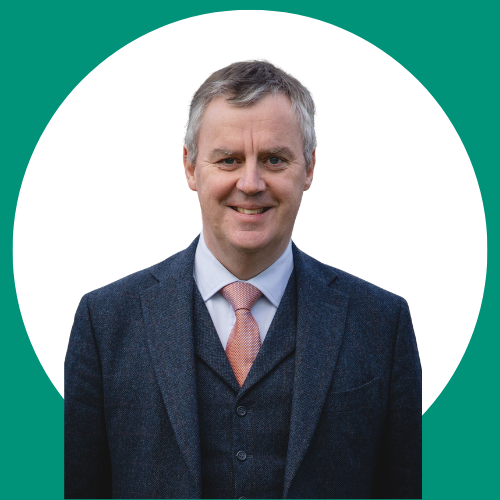 Jon Wilks CEO Institute of Health & Social Care Management
Jon Wilks is Chief Executive of the Institute of Health & Social Care Management, a post he has held since 2020. The Institute can trace its founding back to 1902, so Jon is very much a custodian for this great organisation. He has been in and around the NHS and social care for the last 25 years, being Commercial Director for primary care distribution leader Williams Medical from 2000 to 2007 before co-founding health market access specialist UK HealthGateway in 2007 and NHS best practice repository The Academy of Fabulous Stuff, a community interest company, in 2016.
 Judith Hughes Associate Director of Procurement Healthcare Quality Improvement Partnership
Judith has over 25 years of experience in procurement across both the public and private sectors. She has spent much of her career working within the NHS and wider health sector and is passionate about ensuring that the patient and public voice is reflected in procurement activities. She has worked across a broad range of specialisms, procuring goods and services across a variety of categories. In her role at HQIP, she is responsible for the strategic development, operation, and management of the organisation’s procurement function.
-
Available On Demand
The Role of Digital Platforms in Enhancing Transparency and Patient Engagement
In an era of digital transformation, patients expect more than just access—they expect clarity, responsiveness, and partnership. Digital platforms are reshaping how the NHS communicates, delivers services, and builds trust with the public. From patient portals and mobile apps to real-time feedback tools and open data dashboards, technology is creating new opportunities to engage patients as informed participants in their own care.
This panel brings together NHS digital leaders, patient advocates, technologists, and frontline clinicians to explore how digital platforms can drive transparency and deepen engagement. We’ll examine:- How digital tools are improving access to records, appointments, and care pathway
- Strategies for using technology to build trust, share information, and support informed decision-making
- The role of co-design and user experience in making platforms truly patient-centred
- Challenges around digital literacy, data privacy, and equitable access
This is a conversation about connection, empowerment, and accountability. Join us to explore how the NHS can use digital platforms not just to deliver care—but to build lasting relationships with the people it serves.
 Stuart Holtom Frontline Digitisation Programme Manager Walsall Healthcare NHSStuart Holtom is a Digital Programme Manager at Walsall Hospitals NHS Trust, where he leads the NHSE Frontline Digitsation programme of work to deliver digital maturity. With over 25 years of experience in NHS IT, he specialises in digital and business transformation programmes that drive measurable improvement and benefits realisation.
 John Jeans National CLEAR Lead The National CLEAR Programme
Dr John Jeans is a consultant anaesthetist and a director of healthcare transformation agency 33n. He leads the NHS CLEAR (Clinically-Led workforce and Activity Redesign) Programme nationally. Following his father’s experience of care in 2013, he turned his attention to healthcare modelling and system redesign, aiming to translate data into better patient care.
Working with like-minded colleagues, Dr Jeans helped establish the National CLEAR Programme as a work-based learning initiative delivered by 33n and hosted by East Lancashire Hospitals NHS Trust. CLEAR combines clinical insight, rigorous data analysis and technology to create new models of care and workforce redesign. In practice, this means using AI-enabled analytics alongside frontline expertise to surface opportunities, test options, and co-design changes with clinical teams.
CLEAR projects focus on outcomes that matter to the NHS: clinically sound recommendations that services can implement, operationally feasible pathways, and solutions that are financially viable. By keeping clinicians at the centre and strengthening teams’ capability to work with data and technology, Dr Jeans supports safe adoption, better decision-making and continuous improvement across systems. His work reflects a consistent approach: clinically led transformation, powered by data and increasingly AI-enabled tools, to improve the delivery of care.
 Irrum Afzal Digital Health Transformation Specialist - AI in Healthcare | Researcher Vice Chair of Research & Innovation
Irrum Afzal is an Imperial College London graduate and a recipient of the National Orthopaedic Alliance (NOA) Director’s Award. In addition to her academic qualifications, she holds both PRINCE2 Practitioner and Foundation certifications, demonstrating strong project management expertise.
With experience across both the NHS and private healthcare sectors, she brings a combination of research expertise, operational insight, and digital transformation experience particularly in AI, EHR modernisation, and data interoperability. She has played a pivotal role in multiple digital health transformation programmes, leading and supporting projects from initial concept through to successful go‑live delivery.
Irrum holds multiple positions of responsibility, including Vice Chair of Research and Innovation for the NOA, Board Member for OrthoAI (ORAIA), Research Committee Representative for the British Orthopaedic Sports Trauma and Arthroscopy Association (BOSTAA), and Equality, Diversity, and Inclusivity Lead for BOSTAA. She is also a Non-Executive Board Member of the Orthopaedic Research and Education Foundation (OREF) and plays an active role in the Imperial College Alumni Service.
 Andy Wilkins Founder Future of Health
Founder, FUTURE OF HEALTH and Programme Director at Imperial College London
Andy Wilkins works on the systemic redesign of health and care, addressing the growing gap between increasing complexity and the capacity of current systems to respond. He leads transformation initiatives across the NHS and internationally, supporting the shift from fragmented, reactive care towards integrated, human-centred systems oriented around long-term health and human flourishing. His work integrates systems thinking, lived experience, and emerging technologies to reframe health across multiple levels, from biological processes to societal conditions, or “cells to cities”.
-
Available On Demand
Staff as Trust Builders: Empowering Frontline Workers to Lead Change
In every ward, clinic, and community setting, NHS staff are more than service providers—they are the face of the system, the first point of contact, and often the most trusted voice in a patient’s journey. As the NHS navigates transformation, recovery, and reform, empowering frontline workers to lead change is not just strategic—it’s essential.
This panel brings together clinicians, operational leaders, workforce experts, and staff representatives to explore how the NHS can unlock the leadership potential of its frontline. We’ll examine:- How trust is built—and sometimes broken—at the point of care
- The role of staff in shaping culture, improving services, and driving innovation
- Strategies for involving frontline voices in decision-making, quality improvement, and system redesign
- What support, training, and recognition are needed to turn everyday roles into engines of change
This is a conversation about agency, accountability, and the power of lived expertise. Join us to explore how the NHS can invest in its greatest asset—its people—to build a more trusted, responsive, and resilient health service.
 Kiran Cheedella GP The Trust Clinic
Dr Kiran Cheedella is a GP and health inequalities specialist with over 15 years’ experience working across frontline clinical care, community engagement, and system leadership. He works with NHS organisations, local authorities, and community partners to strengthen trust, improve workforce wellbeing, and develop more relational models of care.
Kiran’s work focuses on empowering frontline staff and communities to shape services, build stronger partnerships, and drive meaningful change within complex health systems. He is co-founder of The Trust Clinic that provides free workshops supporting healthcare leaders and teams to build cultures of trust, collaboration, and innovation across healthcare. He has also co-developed the Neighbourhood Health Academy which is a free space for collaboration of stakeholders from communities across to commissioners to learn, develop and deliver services together.
 Vanessa Crossey Director of Nursing and Quality NHS Professionals
With over 30 years of experience as a nurse and a midwife, spanning both NHS and military healthcare environments, I have a wealth of expertise in clinical governance, quality improvement, patient safety, and workforce development. My background includes operational military deployment to Afghanistan as the Healthcare Governance Officer for all deployed units, where I delivered system assurance, rapid cycle improvements, and governance under high-pressure conditions.
Throughout my career, I have held a number of senior leadership roles, most recently in my current role at NHS Professionals as the Director of Nursing and Quality. I support the CNO in all corporate, professional, operational, and clinical service delivery objectives and ensure high standards of clinical governance and quality are maintained within the organisation. This position involves leading and managing initiatives that enhance clinical practice and service delivery and supporting professional development across 60 NHS Trusts who NHSP provide temporary staffing for.
Prior to this I led on quality and safety across a wide range of services whilst working with Devon ICB, supporting primary care providers and the wider system to deliver safe, effective, and equitable care. I also played a pivotal role in the Devon System Coordination Centre during winter pressures, using my operational planning expertise—refined during military service—to coordinate urgent care responses across the region.
My leadership during the COVID-19 pandemic, particularly in establishing and leading the Devon-wide PPE Clinical Cell, was nationally recognised as an example of innovative, compassionate leadership under pressure.
In recognition of my contribution to nursing and healthcare, I was awarded the Queen’s Nurse title in 2015 and have been a finalist in both the Nursing Times Nurse Leader of the Year and RCNi Awards. I was also honoured with the CCG Directors Award and invited to the Queen’s Garden Party in 2022 for my outstanding service.
I continue to serve as a Lieutenant Colonel in the Army Reserves. In this national role, I support the governance, regulation, and professional development of more than 140 secondary care consultants across the UK and on deployment, working closely with military medical teams and strategic leaders to shape healthcare policy and practice.
Outside of work, I live on the edge of Dartmoor with my husband Matt and my 2 children. I am passionate about building high-performing, compassionate teams and remain committed to excellence in patient care.
 Chris Graham Chief Executive Picker Europe
Chris has been Picker’s CEO since 2017, leading the organisation as well as contributing to its research and practice.
Prior to becoming CEO, Chris led Picker’s research division from 2011 to 2016. In this post, he was responsible for overseeing the development and coordination of large-scale research and evaluation projects, including the NHS Patient and Staff Survey Coordination Centres, run on behalf of the Care Quality Commission (CQC) and NHS England, respectively. He has also worked at the CQC and its predecessor, the Healthcare Commission, as well as undertaking other roles at Picker from 2004 to 2007.
Chris has particular interests in person centred care and in research on staff, patient, and user experiences of health and care. He has undertaken research and written widely on these subjects. Chris read Experimental Psychology at Pembroke College, University of Oxford. He is a non-executive director at the Professional Record Standards Body (PRSB).
 Bertha Asante Clinical Practice Educator Imperial College Healthcare NHS Trust
Bertha Bernasko Asante is a Clinical Practice Nurse Educator, author, and healthcare quality improvement leader with over 30 years of nursing experience across Ghana and the UK, including 23 years in the NHS. She holds an MSc in Healthcare Leadership, earning an excellent write-up in Emotional Intelligence, an Advanced Diploma in Perioperative Nursing, and a PGCE in Professional Academic Practice, gaining Fellowship of the Higher Education Academy (FHEA).
A trusted Professional Nurse Advocate, Bertha provides restorative clinical supervision and champions staff wellbeing and pastoral support, particularly for the international workforce. She also serves in the Christian Healthcare Professionals Network (CHPNet), connecting, mentoring, and supporting staff through education and community engagement.
Bertha is the author of The Professional Progression Pathway (PPP) and founder of initiatives supporting professional integration, cultural adaptation, OSCE readiness, and leadership development. She also created the Quality Care Compass Framework to guide organisations in CQC preparation.
She is passionate about building a resilient, skilled, and future-ready NHS workforce through education, leadership, emotional intelligence, and change management.